When employees are subjected to repeated mistreatment, they can file a toxic work environment lawsuit against their employer. Such lawsuits allege that the employer has created or tolerated a workplace culture that is hostile or offensive to employees. Toxic work environments can be caused by a variety of factors, including discrimination, harassment, bullying, and retaliation.
Toxic work environment lawsuits can be difficult to win, but they can be an important tool for employees who have been subjected to mistreatment. If you believe that you are working in a toxic environment, you should speak to an attorney to discuss your legal options.
Here are some of the benefits of filing a toxic work environment lawsuit:
- It can help you to recover damages for your injuries, such as lost wages, emotional distress, and medical expenses.
- It can help to stop the harassment or discrimination that you have been experiencing.
- It can help to create a more positive work environment for all employees.
1. Discrimination
Discrimination is a form of toxic behavior that can create a hostile work environment. It occurs when an employee is treated differently because of their race, gender, religion, national origin, age, disability, or other protected characteristic. Discrimination can take many forms, including:
- Unequal pay
- Denial of promotions
- Harassment
- Termination of employment
Discrimination can have a devastating impact on employees. It can lead to lost wages, emotional distress, and even physical harm. In some cases, discrimination can also lead to legal liability for the employer.
If you believe that you have been discriminated against at work, you should speak to an attorney to discuss your legal options. You may be able to file a discrimination lawsuit against your employer.
2. Harassment
Harassment is a form of toxic behavior that can create a hostile work environment. It occurs when an employee is subjected to unwelcome conduct that is based on their race, gender, religion, national origin, age, disability, or other protected characteristic. Harassment can take many forms, including:
- Verbal abuse
- Physical abuse
- Sexual harassment
- Cyberbullying
Harassment can have a devastating impact on employees. It can lead to lost wages, emotional distress, and even physical harm. In some cases, harassment can also lead to legal liability for the employer.
If you believe that you have been harassed at work, you should speak to an attorney to discuss your legal options. You may be able to file a harassment lawsuit against your employer.
Here are some real-life examples of harassment that have led to toxic work environment lawsuits:
- In 2018, a woman filed a lawsuit against her employer after she was subjected to sexual harassment by her supervisor. The supervisor made inappropriate comments to her, touched her without her consent, and even threatened to fire her if she did not comply with his advances.
- In 2019, a group of employees filed a lawsuit against their employer after they were subjected to racial discrimination. The employees were subjected to slurs, jokes, and other forms of discrimination. They were also denied promotions and opportunities for training.
- In 2020, a man filed a lawsuit against his employer after he was subjected to disability discrimination. The man was fired from his job after he was diagnosed with a disability. The employer claimed that he was not able to perform the essential functions of his job.
These are just a few examples of the many toxic work environment lawsuits that have been filed in recent years. Harassment is a serious problem that can have a devastating impact on employees. If you believe that you have been harassed at work, you should speak to an attorney to discuss your legal options.
3. Bullying
Bullying is a form of toxic behavior that can create a hostile work environment. It occurs when an employee is subjected to repeated, unwelcome conduct that is intended to intimidate, humiliate, or undermine them. Bullying can take many forms, including:
- Verbal abuse
- Physical abuse
- Social isolation
- Cyberbullying
Bullying can have a devastating impact on employees. It can lead to lost wages, emotional distress, and even physical harm. In some cases, bullying can also lead to legal liability for the employer.
Here are some real-life examples of bullying that have led to toxic work environment lawsuits:
- In 2018, a woman filed a lawsuit against her employer after she was subjected to bullying by her supervisor. The supervisor yelled at her, belittled her, and excluded her from meetings. The woman eventually quit her job because of the bullying.
- In 2019, a group of employees filed a lawsuit against their employer after they were subjected to bullying by their manager. The manager made fun of the employees, spread rumors about them, and gave them impossible deadlines. The employees eventually filed a lawsuit against the employer for creating a hostile work environment.
- In 2020, a man filed a lawsuit against his employer after he was subjected to bullying by his coworkers. The coworkers made fun of the man’s appearance, his accent, and his disability. The man eventually quit his job because of the bullying.
These are just a few examples of the many toxic work environment lawsuits that have been filed in recent years. Bullying is a serious problem that can have a devastating impact on employees. If you believe that you have been bullied at work, you should speak to an attorney to discuss your legal options.
4. Retaliation
Retaliation is a form of toxic behavior that can create a hostile work environment. It occurs when an employee is punished or treated differently because they have complained about discrimination, harassment, or other forms of workplace misconduct. Retaliation can take many forms, including:
- Demotion
- Termination of employment
- Negative performance evaluations
- Denial of promotions or opportunities for training
- Harassment
Retaliation is illegal, and it can create a hostile work environment for all employees. Employees who are retaliated against may be afraid to speak up about workplace misconduct, which can lead to a culture of silence and fear. This can make it difficult for employers to identify and address problems in the workplace.
Here are some real-life examples of retaliation that have led to toxic work environment lawsuits:
- In 2018, a woman filed a lawsuit against her employer after she was demoted and given a negative performance evaluation after she complained about sexual harassment by her supervisor.
- In 2019, a group of employees filed a lawsuit against their employer after they were fired for complaining about discrimination against their manager.
- In 2020, a man filed a lawsuit against his employer after he was harassed and denied opportunities for promotion after he complained about his supervisor’s bullying behavior.
These are just a few examples of the many toxic work environment lawsuits that have been filed in recent years. Retaliation is a serious problem that can have a devastating impact on employees. If you believe that you have been retaliated against at work, you should speak to an attorney to discuss your legal options.
5. Emotional Distress
Emotional distress is a common component of toxic work environment lawsuits. It can be caused by a variety of factors, including discrimination, harassment, bullying, and retaliation. Emotional distress can manifest in a variety of ways, including:
- Anxiety
- Depression
- Insomnia
- Irritability
- Difficulty concentrating
- Loss of appetite
- Physical pain
Emotional distress can have a significant impact on an employee’s life. It can make it difficult to work, socialize, and enjoy life. In some cases, emotional distress can even lead to physical health problems.
If you are experiencing emotional distress as a result of your work environment, it is important to seek help. You may want to talk to a therapist or counselor, or you may want to file a complaint with your employer. You may also be able to file a toxic work environment lawsuit.
Here are some real-life examples of emotional distress that have led to toxic work environment lawsuits:
- In 2018, a woman filed a lawsuit against her employer after she was subjected to sexual harassment by her supervisor. The woman experienced severe emotional distress as a result of the harassment, including anxiety, depression, and insomnia.
- In 2019, a group of employees filed a lawsuit against their employer after they were subjected to discrimination based on their race. The employees experienced emotional distress as a result of the discrimination, including anxiety, depression, and loss of appetite.
- In 2020, a man filed a lawsuit against his employer after he was retaliated against for complaining about his supervisor’s bullying behavior. The man experienced emotional distress as a result of the retaliation, including anxiety, depression, and difficulty concentrating.
These are just a few examples of the many toxic work environment lawsuits that have been filed in recent years. Emotional distress is a serious problem that can have a devastating impact on employees. If you are experiencing emotional distress as a result of your work environment, it is important to seek help.
6. Lost Wages
Lost wages are a common form of damages that employees can recover in a toxic work environment lawsuit. Lost wages can include:
- Back pay: This is the amount of wages that the employee would have earned if they had not been subjected to the hostile work environment.
- Front pay: This is the amount of wages that the employee is likely to lose in the future as a result of the hostile work environment.
- Benefits: Employees may also be able to recover lost benefits, such as health insurance and retirement benefits.
Lost wages can have a significant impact on an employee’s financial well-being. In some cases, lost wages can even lead to financial hardship. If you have been subjected to a toxic work environment, it is important to speak to an attorney to discuss your legal options. You may be able to recover lost wages and other damages.
Here are some real-life examples of lost wages that have been awarded in toxic work environment lawsuits:
- In 2018, a woman was awarded $1 million in lost wages after she was subjected to sexual harassment by her supervisor.
- In 2019, a group of employees were awarded $2 million in lost wages after they were subjected to discrimination based on their race.
- In 2020, a man was awarded $3 million in lost wages after he was retaliated against for complaining about his supervisor’s bullying behavior.
These are just a few examples of the many toxic work environment lawsuits that have been filed in recent years. Lost wages are a serious problem that can have a devastating impact on employees. If you have been subjected to a toxic work environment, it is important to speak to an attorney to discuss your legal options.
FAQs on Toxic Work Environment Lawsuits
Toxic work environment lawsuits can be complex and challenging. Here are some frequently asked questions to help you understand your rights and options:
Question 1: What is a toxic work environment?
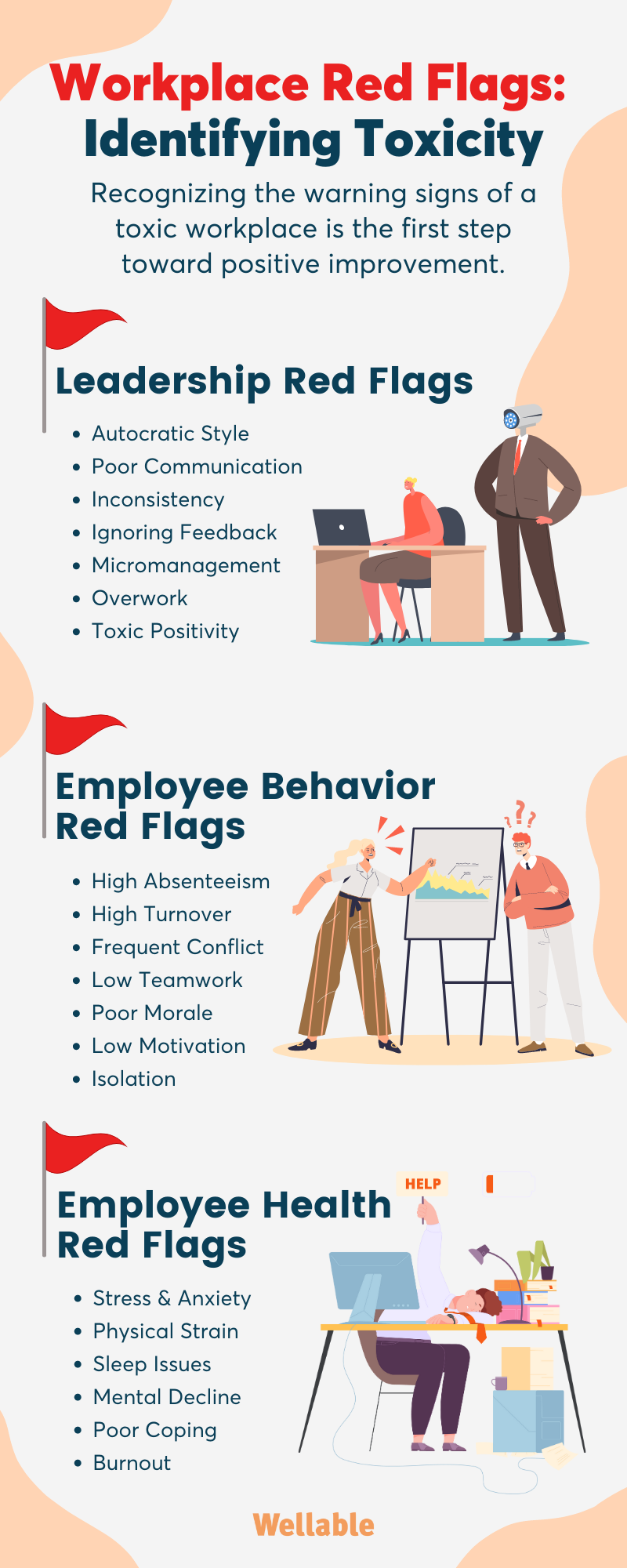
A toxic work environment is one in which employees are subjected to repeated, unwelcome conduct that is intended to intimidate, humiliate, or undermine them. This conduct can include discrimination, harassment, bullying, and retaliation.
Question 2: What are the signs of a toxic work environment?
Some signs of a toxic work environment include:
- Employees are afraid to speak up about problems or concerns.
- Employees are subjected to verbal abuse or threats.
- Employees are excluded from important meetings or decisions.
- Employees are given impossible deadlines or unrealistic workloads.
- Employees are discriminated against based on their race, gender, religion, or other protected characteristics.
Question 3: What should I do if I am experiencing a toxic work environment?
If you are experiencing a toxic work environment, you should:
- Document the behavior that you are experiencing.
- Talk to your supervisor or HR department.
- File a complaint with the Equal Employment Opportunity Commission (EEOC).
- Consider filing a toxic work environment lawsuit.
Question 4: What are the benefits of filing a toxic work environment lawsuit?
Filing a toxic work environment lawsuit can help you to:
- Recover damages for your injuries, such as lost wages, emotional distress, and medical expenses.
- Stop the harassment or discrimination that you have been experiencing.
- Create a more positive work environment for all employees.
Question 5: What are the challenges of filing a toxic work environment lawsuit?
Filing a toxic work environment lawsuit can be challenging. Some of the challenges include:
- It can be difficult to prove that you have been subjected to a toxic work environment.
- Toxic work environment lawsuits can be expensive and time-consuming.
- You may face retaliation from your employer.
Question 6: Should I hire an attorney to help me with my toxic work environment lawsuit?
Yes, it is advisable to hire an attorney to help you with your toxic work environment lawsuit. An attorney can help you to:
- Gather evidence of the toxic work environment.
- File your lawsuit in court.
- Negotiate a settlement with your employer.
- Represent you at trial.
If you are considering filing a toxic work environment lawsuit, it is important to speak to an attorney to discuss your legal rights and options.
Toxic work environment lawsuits can be an effective way to hold employers accountable for their misconduct and to create a more positive work environment for all employees.
Tips for Filing a Toxic Work Environment Lawsuit
If you are considering filing a toxic work environment lawsuit, there are a few things you should keep in mind.
Tip 1: Gather Evidence
It is important to gather as much evidence as possible to support your claim. This may include emails, text messages, witness statements, and any other documentation that shows the hostile work environment.
Tip 2: File a Complaint with the EEOC
Before filing a lawsuit, you must file a complaint with the Equal Employment Opportunity Commission (EEOC). The EEOC will investigate your complaint and determine if there is enough evidence to support your claim.
Tip 3: Hire an Attorney
It is advisable to hire an attorney to help you with your lawsuit. An attorney can help you to gather evidence, file your lawsuit, and negotiate a settlement.
Tip 4: Be Prepared for Retaliation
It is important to be prepared for retaliation from your employer. Retaliation can take many forms, such as demotion, termination, or harassment. If you experience retaliation, you should report it to your attorney.
Tip 5: Don’t Give Up
Toxic work environment lawsuits can be complex and challenging. However, it is important to remember that you are not alone. There are many resources available to help you, and you should not give up on your case.
Filing a toxic work environment lawsuit can be a daunting task, but it is important to remember that you have rights. By following these tips, you can increase your chances of success.
Conclusion
Toxic work environment lawsuits are a serious matter. They can have a devastating impact on employees, both personally and professionally. If you are experiencing a toxic work environment, it is important to speak to an attorney to discuss your legal options.
Toxic work environment lawsuits can be complex and challenging, but they are an important tool for holding employers accountable for their misconduct. By filing a lawsuit, you can help to create a more positive work environment for all employees.